Swimming Pool Construction
Swimming Pool Construction: Experts
A swimming pool is more than just a recreational feature—it can enhance the appearance,
functionality, and overall value of a residential or commercial property. However, choosing the
right type of swimming pool depends on several factors, including available space, budget,
construction method, maintenance requirements, and the intended use of the pool.
From traditional in-ground pools to modern infinity and zero-entry designs, there are numerous
options available today. Understanding the different types of swimming pools can help
homeowners, architects, and property developers make an informed decision. There are so many swimming pool contractors one of them is Creativepoolslandscapes
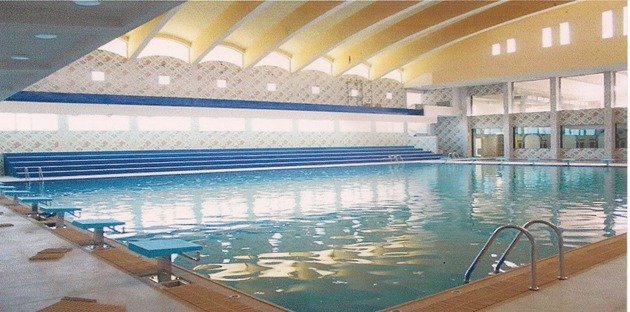
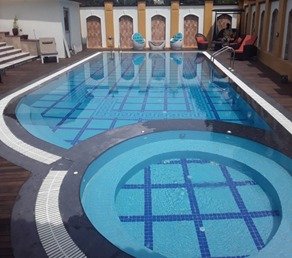
Swimming Pool Construction : Meaning & Key Parts
Swimming pool construction is the engineering and building process of creating a watertight basin filled with water for swimming, leisure, or exercise.
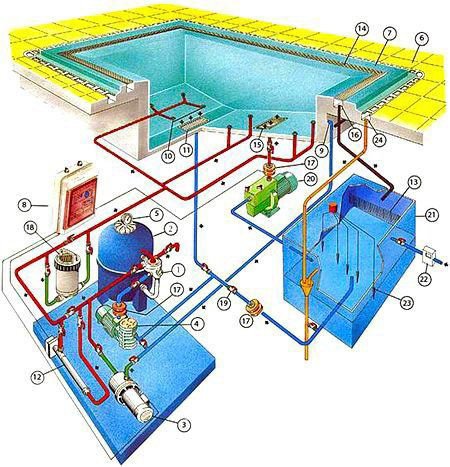
A swimming pool consists of structural elements, a water circulation system, and optional functional accessories. Key parts include the pool shell, coping, skimmer, main drain, pump, filter, heater, return jets, plumbing lines, and chemical feeder.
Swimming Pool Construction: Types of Swimming Pools
Different swimming pool types are available to suit different properties, budgets, space requirements, and intended uses.
1). In-Ground Swimming Pool
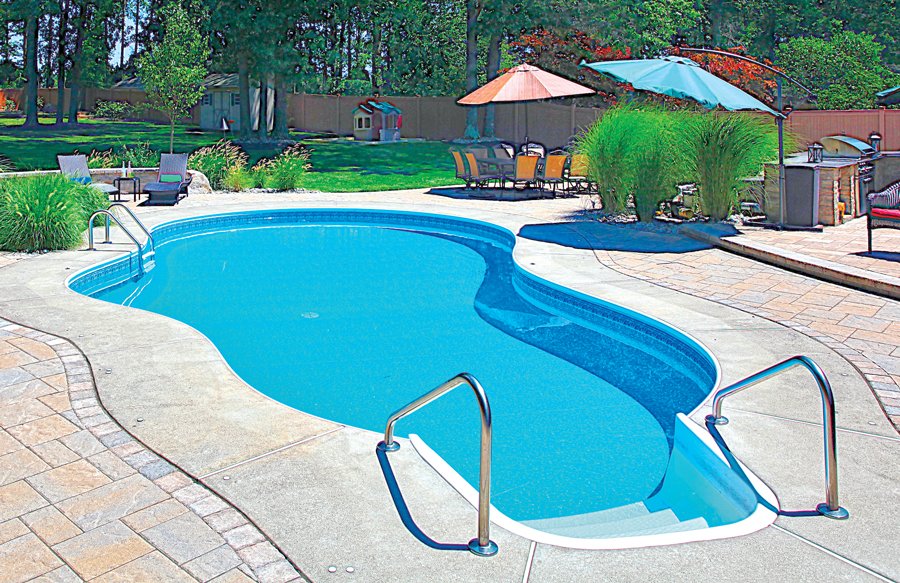
An in-ground swimming pool is permanently constructed below the ground level and is one of the most popular choices for homes, hotels, resorts, and commercial properties. These pools offer excellent design flexibility and can be customized according to the available space, landscape, and architectural style of the property.
In-ground pools are generally constructed using three major methods:
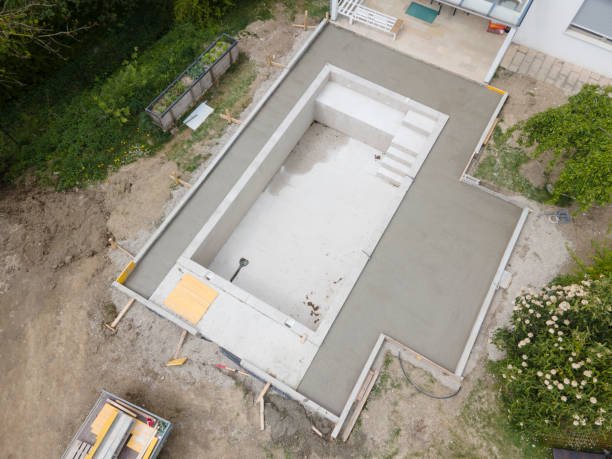
① Concrete Swimming Pool
Concrete pools are one of the most customizable types of in-ground swimming pools. They can be constructed in almost any shape, size, and depth, making them suitable for luxury homes, hotels, resorts, and commercial projects.
② Fiberglass Swimming Pool
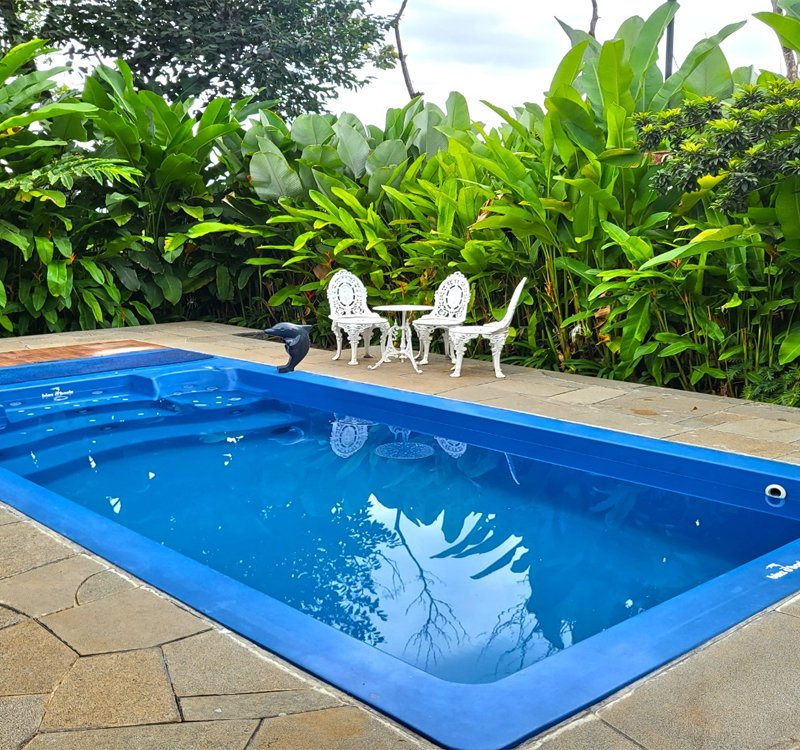
Fiberglass pools are manufactured as pre-designed shells in a factory and transported to the installation site. They offer relatively quick installation and their smooth, non-porous surface makes them comparatively easy to clean and maintain.
③ Vinyl Liner Swimming Pool
Vinyl liner pools use a flexible vinyl liner installed over a supporting structure. They are available in different shapes, sizes, colors, and patterns and are often considered a comparatively budget-friendly in-ground pool option.
2). Above-Ground Pool
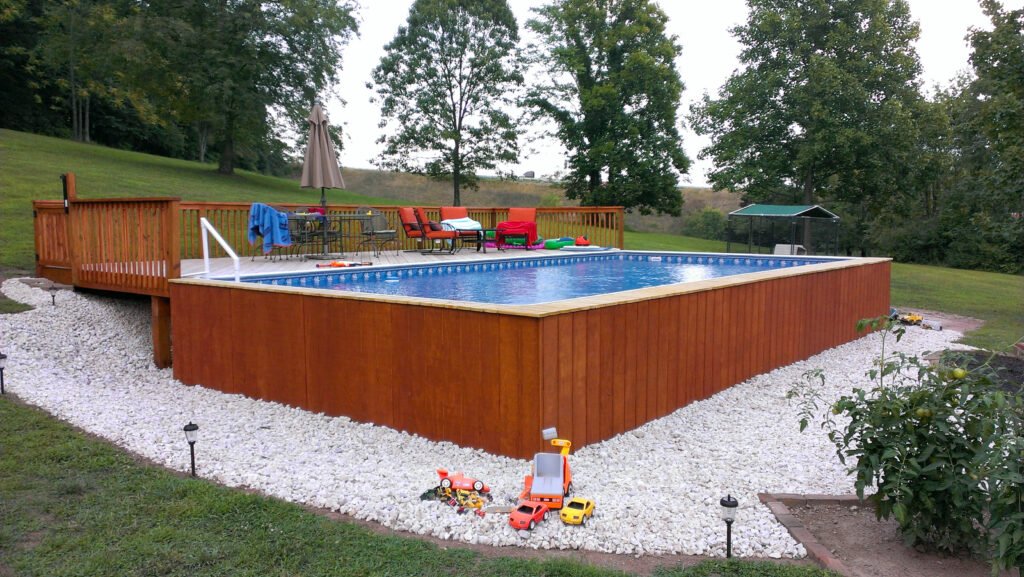
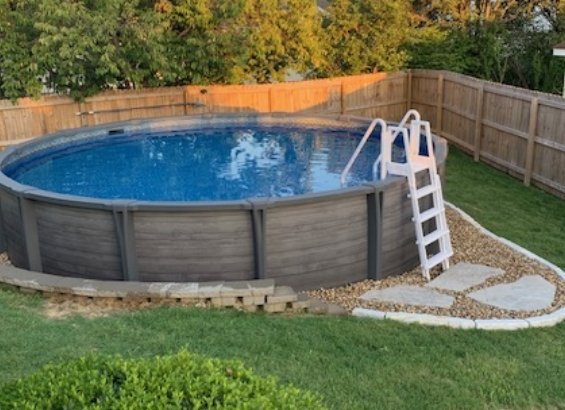
Above-ground pools are constructed above the natural ground level rather than being permanently excavated into the ground. They are generally easier and faster to install than traditional in-ground pools and can be a practical option for homeowners with limited space or a controlled budget.
These pools are available in different sizes, shapes, and materials. They can also be dismantled or relocated in certain situations, making them a flexible choice for temporary or semi-permanent recreational spaces.
Above-ground pools typically require less extensive excavation and construction work, which can reduce the overall installation cost. However, they generally offer fewer customization possibilities and may not provide the same architectural integration or long-term appearance as a well-designed in-ground pool.
Comparison Factor | In-Ground Pool | Above-Ground Pool |
Initial Cost | Higher investment; in India, indicative costs can range from around ₹10 lakh to ₹25+ lakh, depending on size, material, design, and site conditions. | More budget-friendly; indicative costs are around ₹1.5 lakh to ₹6 lakh, depending on size, quality, and accessories. |
Installation Time | Usually takes several weeks to a few months, especially for concrete pools because of excavation, structural work, plumbing, finishing, and curing. | Generally much faster, often 1–7 days, depending on the pool type, site preparation, and installation requirements. |
Excavation & Civil Work | Requires excavation and substantial civil/construction work. | Requires little or no major excavation. |
Customization | High — shape, depth, size, steps, lighting, and additional features can be customized. | Limited — usually available in standard shapes, sizes, and depths. |
Long-Term Investment | Better suited for permanent, long-term use and premium landscaping projects. | Suitable for budget-conscious or temporary/semi-permanent recreational use. |
Best Choice For | Luxury homes, villas, hotels, resorts, and commercial projects. | Smaller properties, rental homes, seasonal use, and projects with limited budgets. |
Swimming Pool Construction: Speciality and Design Styles
Beyond the basic construction categories, swimming pools can also be designed according to their purpose, appearance, depth, circulation system, and overall user experience.
Lap Pool
A lap pool is designed primarily for swimming and fitness training. It is typically long and relatively narrow, allowing users to swim continuous lengths. Lap pools are particularly suitable for fitness-focused homeowners, sports facilities, and properties where regular swimming exercise is a priority.
Plunge Pool
A plunge pool is a compact pool designed mainly for relaxation, cooling off, and leisure rather than extended swimming. Its smaller footprint makes it suitable for properties with limited outdoor space.
Infinity Pool
An infinity pool, also known as a negative-edge pool, is designed so that water appears to flow over one or more edges, creating the visual impression that the pool extends into the surrounding landscape.
Infinity pools are especially popular at luxury resorts, hotels, and properties with scenic views.
Natural Pool
Natural pools are designed to create a more organic and environmentally inspired swimming experience. They may incorporate natural-looking landscaping, rocks, plants, and specialized filtration systems to complement the surrounding environment.
Spool
A spool combines characteristics of a swimming pool and a spa. It is generally smaller than a traditional swimming pool and can be designed for relaxation, hydrotherapy, exercise, or recreational use.
Spools are a practical option for homeowners who want both pool and spa functionality without requiring a large outdoor area.
Olympic-Size Pool
An Olympic-size swimming pool is designed according to recognized competitive swimming dimensions and standards. These pools are primarily used for professional training, competitions, sports complexes, and aquatic facilities.
They require significant space and carefully designed circulation, filtration, depth, and safety systems.
Children's Pool
Children’s pools are designed specifically for young swimmers. They generally feature shallower water depths, child-friendly access points, and additional safety considerations.
These pools can be incorporated into residential properties, hotels, resorts, clubs, and recreational facilities.
Exercise Pool
An exercise pool is designed primarily for physical activity and aquatic workouts. Depending on the design, it may include resistance systems, swim jets, or specialized equipment that allows users to exercise within a relatively compact space.
Overflow Pool
An overflow pool uses a water circulation system in which water flows over the pool’s edge into a surrounding channel or collection system. The collected water is then filtered and returned to the pool.
This design creates a clean, sophisticated appearance and is commonly associated with luxury and high-end pool projects.
Saltwater Pool
A saltwater pool uses a salt-chlorine generator to produce chlorine from salt dissolved in the pool water. It is still a chlorinated pool system, but the chlorine is generated continuously rather than being added manually in the same way as a traditional chlorine pool.
Saltwater systems can provide a comfortable swimming experience and may reduce the need for frequent manual chlorine additions.
Skimmer Pool
A skimmer pool uses skimmer boxes installed around the pool to collect floating debris and help maintain water circulation. It is one of the most common and practical pool circulation systems used in residential swimming pools.
Compared with an overflow system, a skimmer pool generally has a simpler construction and can be a more economical choice.
Zero-Entry Pool
A zero-entry pool, also called a beach-entry pool, gradually slopes from the surrounding deck into the water instead of having a conventional pool edge or step-down entry.
This design creates a resort-style appearance and can be particularly useful for families, children, older users, and people who prefer easier water access.
Swimming Pool Construction : Designing and Site Planning
Designing and planning a swimming pool construction project requires careful site evaluation, budgeting, and a structured, multi-phase build process.
1. Designing and Site Planning
- Assess the Space: Measure your yard, check ground slopes, and locate underground utility lines or septic tanks.
- Match Architecture: Align the pool shape (geometric for modern homes, freeform for natural landscapes) with your house.
- Check Regulations: Review local zoning laws, property setback rules, and necessary building permits before starting.
2. Layout and Excavation
- Mark the Ground: Transfer your 2D or 3D pool design onto the actual dirt using spray paint and string lines.
- Excavate the Cavity: Use heavy machinery to dig out the shape, carefully setting precise depth levels.
3. Structural and Mechanical Work
- Steel Reinforcement: Install a sturdy grid of bent steel bars to support the massive water and soil loads.
- Plumbing and Electrical: Lay out circulation lines, main drains, skimmers, and electrical conduits for underwater lights and pumps.
- Concrete Shell: Spray gunite or shotcrete over the steel skeleton to form a solid, permanent basin shell.
4. Finishes and Start-Up
- Waterproofing and Tiling: Apply professional waterproofing layers, then set interior and coping tiles.
- Surfacing: Add the smooth interior pool finish, whether plaster, aggregate, or a liner.
- Testing: Fill the pool, balance the water chemistry, and test the filtration and pump systems.
How to Choose the Right Swimming Pool for your Construction Project?
Choosing the right swimming pool requires consideration of the property’s available space, budget, intended use, maintenance expectations, and desired appearance.
For maximum customization, a concrete in-ground pool can be an excellent choice. Fiberglass can be suitable for homeowners looking for faster installation and relatively easy maintenance, while vinyl liner pools can provide a more budget-conscious alternative.
For smaller spaces or simpler installation, an above-ground pool or compact design such as a plunge pool or spool may be appropriate. Meanwhile, homeowners looking for a premium architectural feature may consider infinity, overflow, or zero-entry designs.
Ultimately, the best swimming pool is the one that fits the property’s requirements, lifestyle, budget, and long-term maintenance expectations.
Frequently Asked Questions
What type of swimming pool is the best?
Answer:
There is no single swimming pool type that is best for everyone. The right choice depends on budget, available space, desired design, maintenance requirements, and intended use. Concrete pools offer maximum customization, fiberglass pools offer relatively quick installation and easy maintenance, while vinyl liner pools can be a cost-effective alternative.
What is the most common type of pool?
Answer:
In-ground pools are among the most common types of swimming pools, particularly for permanent residential and commercial installations. Within in-ground pools, concrete, fiberglass, and vinyl liner construction are widely used.
Which type of pool is easier to maintain?
Answer:
Fiberglass pools are generally considered one of the easier in-ground pool types to maintain because their smooth, non-porous surface makes cleaning easier. However, overall maintenance also depends on proper filtration, water chemistry, cleaning routines, and regular servicing.
Which type of pool is the cheapest?
Answer:
The overall cost depends on the size, materials, site conditions, equipment, and design. In many cases, above-ground pools have a lower initial installation cost than permanent in-ground pools. Among in-ground options, vinyl liner pools are often considered a more budget-friendly choice, while concrete pools generally have higher construction costs.
Conclusion
Swimming pool construction is a significant investment that requires careful consideration of pool type, budget, site conditions, design, construction method, and long-term maintenance. From customizable in-ground pools and budget-friendly above-ground options to specialty designs such as infinity, overflow, saltwater, and zero-entry pools, there are solutions for different requirements and lifestyles.
A well-planned swimming pool not only enhances the beauty and functionality of a property but can also provide long-term recreational and lifestyle benefits. Proper site planning, quality construction, suitable equipment, safety measures, and regular maintenance are essential for achieving a durable and efficient pool. By evaluating your space, budget, intended use, and design preferences, you can select the right swimming pool and create a safe, attractive, and enjoyable outdoor space.